With countless diet plans available today, choosing the right one can be overwhelming. While many diets promise rapid weight loss, not all are healthy or sustainable. The best diet is one that meets your nutritional needs, supports your lifestyle, and can be followed long-term.
Let’s compare some of the most popular weight-loss diets to help you decide which one may be the best fit.
1. Mediterranean Diet (Best Overall)

The Mediterranean diet is consistently ranked among the healthiest diets in the world. Inspired by the traditional eating habits of countries bordering the Mediterranean Sea, it emphasizes whole, minimally processed foods.
What to Eat
- Fruits and vegetables
- Whole grains
- Olive oil
- Fish and seafood
- Nuts and seeds
- Legumes
- Moderate dairy intake
Benefits
- Promotes gradual weight loss
- Improves heart health
- Reduces inflammation
- Helps prevent diabetes
- Easy to follow long term
Drawbacks
- Weight loss may be slower than restrictive diets.
- Olive oil, fish, and nuts can be expensive.
Best for: Long-term healthy weight management.
2. DASH Diet
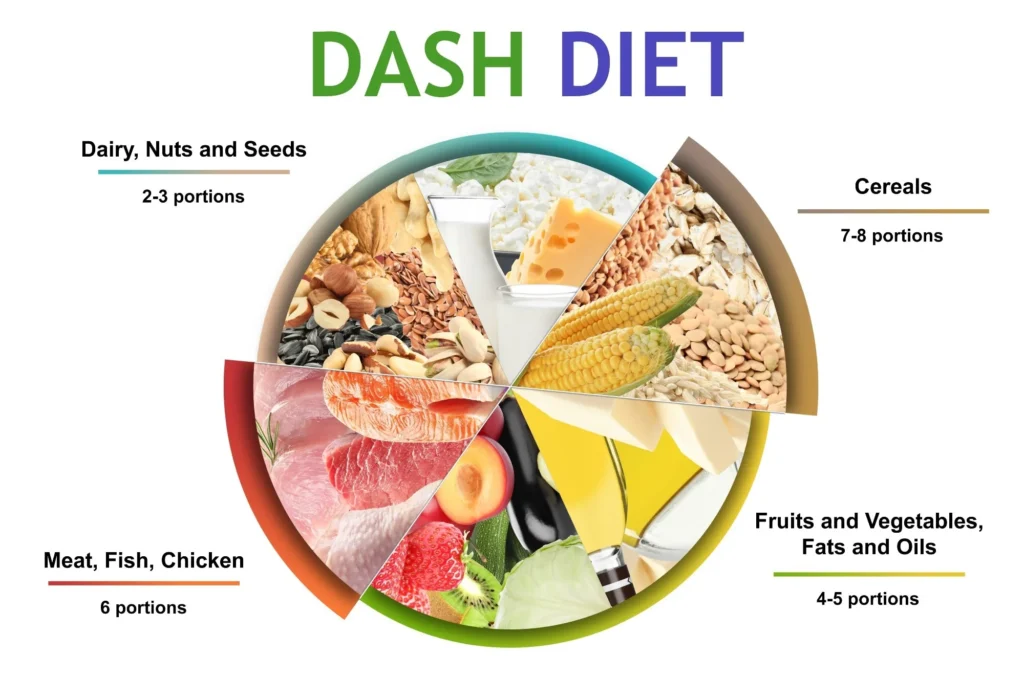
Originally developed to lower blood pressure, the DASH (Dietary Approaches to Stop Hypertension) diet is also highly effective for weight management.
What to Eat
- Fruits
- Vegetables
- Whole grains
- Lean poultry
- Fish
- Low-fat dairy
- Nuts and beans
Benefits
- Supports heart health
- Helps control blood pressure
- Rich in essential nutrients
- Sustainable lifestyle approach
Drawbacks
- Requires limiting processed foods and sodium.
Best for: Individuals with hypertension or those seeking a balanced eating plan.
3. High-Protein Diet
A high-protein diet increases protein intake while moderately reducing carbohydrates.
What to Eat
- Lean meats
- Eggs
- Fish
- Greek yogurt
- Cottage cheese
- Legumes
- Tofu
Benefits
- Increases satiety
- Helps preserve muscle mass
- Supports gym performance
- May boost metabolism
Drawbacks
- Very high protein intake may not be suitable for individuals with kidney disease.
- Fiber intake should not be neglected.
Best for: Active individuals and those performing strength training.
4. Low-Carbohydrate Diet
A low-carb diet reduces carbohydrate intake while increasing protein and healthy fats.
Benefits
- Rapid initial weight loss
- Helps stabilize blood sugar levels
- Reduces hunger in many people
Drawbacks
- Difficult to maintain
- May cause fatigue during the adaptation phase
- Restricts several nutritious foods
Best for: People with insulin resistance or type 2 diabetes under professional guidance.
5. Intermittent Fasting
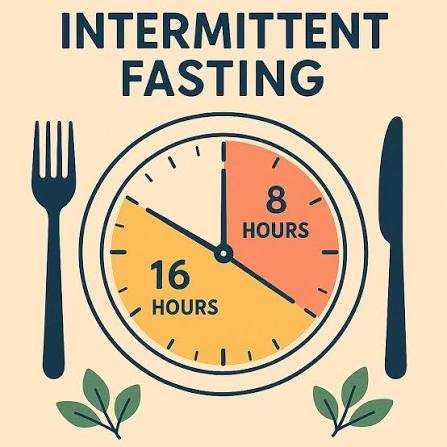
Intermittent fasting focuses on when you eat rather than what you eat. The popular 16:8 method involves fasting for 16 hours and eating within an 8-hour window.
Benefits
- May reduce calorie intake naturally
- Simple eating schedule
- Can improve insulin sensitivity
Drawbacks
- Hunger during fasting periods
- Not suitable for everyone, including pregnant women and some individuals with medical conditions
Best for: Adults who prefer structured meal timing.
6. Ketogenic (Keto) Diet
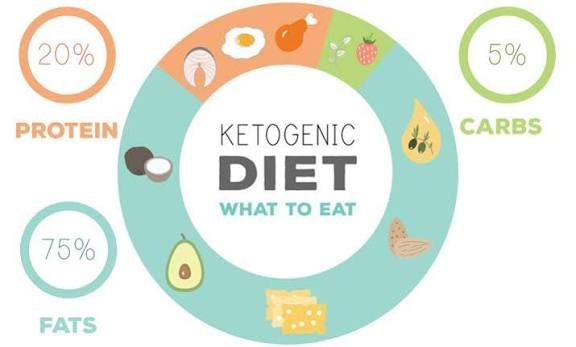
The ketogenic diet is very low in carbohydrates and high in fat, encouraging the body to use fat as its primary fuel source.
Benefits
- Rapid short-term weight loss
- May improve blood sugar control in some individuals
- Can reduce appetite
Drawbacks
- Highly restrictive
- Difficult to maintain
- Possible side effects include constipation, nutrient deficiencies, and “keto flu”
Best for: Individuals who can maintain strict dietary adherence under professional supervision.
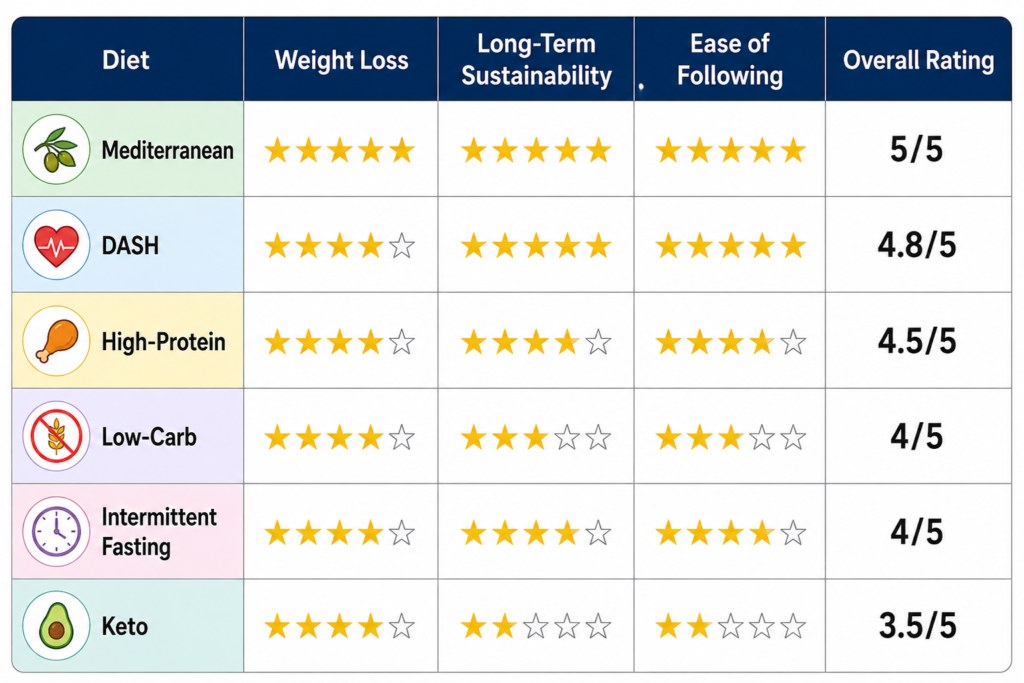
Comparison of Popular Diets
Which Diet Is the Best?
There is no one-size-fits-all diet. The ideal choice depends on your health goals, medical history, food preferences, and lifestyle.
- For overall health: Mediterranean Diet
- For heart health: DASH Diet
- For gym-goers: High-Protein Diet
- For blood sugar management: Low-Carbohydrate Diet
- For structured eating: Intermittent Fasting
- For rapid short-term weight loss: Ketogenic Diet (with professional guidance)
Final Thoughts
The most effective diet is one that you can maintain consistently while meeting your nutritional needs. Instead of following restrictive fad diets, focus on balanced eating, regular physical activity, adequate sleep, and healthy lifestyle habits. Sustainable changes—not quick fixes—lead to lasting weight loss and improved overall health.
Disclaimer: This article is for educational purposes only and should not replace personalized advice from a registered dietitian or healthcare professional. Individuals with medical conditions should consult a qualified healthcare provider before making significant dietary changes.